
THE WELLNESS JOURNAL
Low Sperm Count – Causes, Symptoms, and How to Improve Sperm Health
Understand what low sperm count means, its possible causes and symptoms, and practical steps to support sperm health and seek appropriate care.
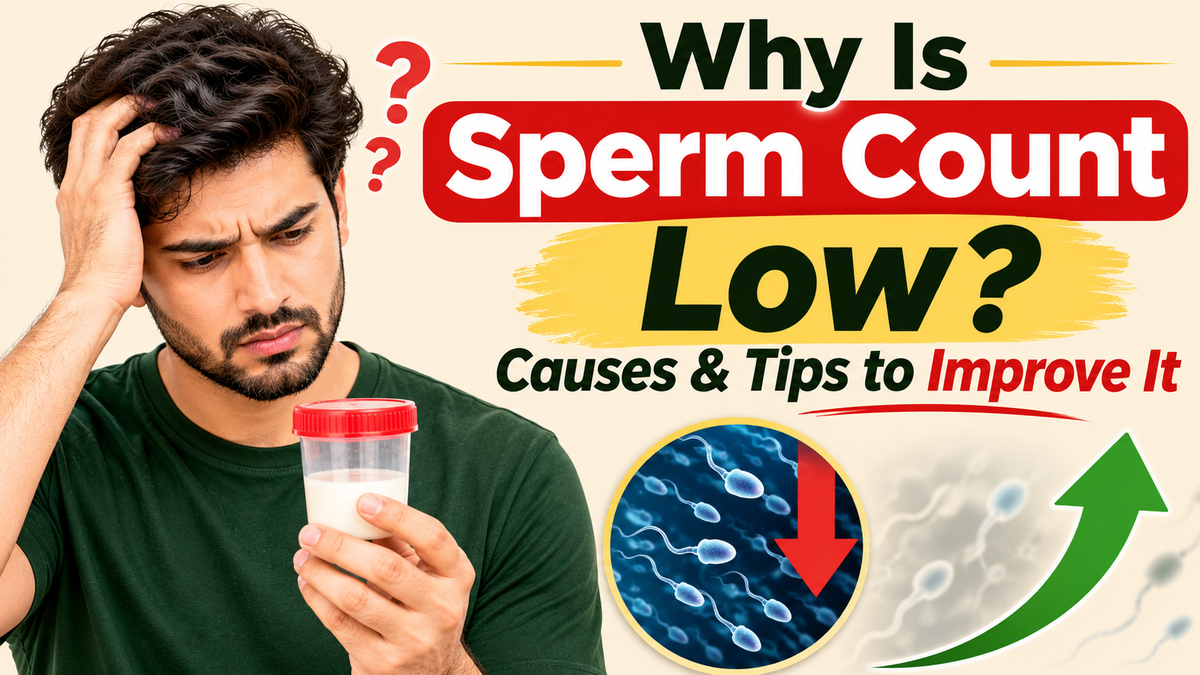
Not everyone understands the pain you go through or how much it means to you to see those two lines on a pregnancy test. Only you know what it feels like to hold on to hope each month, imagining that this time might be different. And when it doesn't happen, the disappointment can be difficult to explain to anyone who hasn't experienced it. As the months pass, the hope is still there, but so are the questions, the worries and the quiet search for answers.
You start looking for answers, and somewhere along the way, the question of sperm count comes up.
It is usually an uncomfortable subject to explore, and many men aren't sure what falls within a normal sperm count range, what affects it, or whether there’s anything they can do about it.
If that's where you are right now, start here: a low sperm count does not automatically mean you cannot become a father. It does mean there's a reason to understand your results and, if needed, find out what's affecting your fertility.
Male fertility is a health issue, and it deserves the same attention as any other concern. There's no need to feel embarrassed about asking questions. If you are still shy, we're here to help.
Let's look at what low sperm count means, why it happens and which steps may help you look after your reproductive health and Sperm Health.
What Does a Low Sperm Count Actually Mean?
People struggling with fertility concerns may have come across the term oligozoospermia. Although it sounds complicated, it simply refers to a sperm concentration below the usual reference range.
Reference data from the World Health Organisation in 2021 suggest the lower fifth percentile for sperm concentration is around 16 million sperm per millilitre of semen.
Does that mean a man with 15 million sperm per millilitre cannot father a child, while someone with 17 million can? The answer here is, “No”. Fertility doesn't work like that.
A low sperm count doesn’t necessarily mean you can’t father a child. Similarly, a normal sperm count doesn’t always mean conception will be easy. Sperm count is just one part of the picture. Other aspects of semen quality such as sperm movement, shape and the reproductive health of both partners are important.
You may also hear a few other terms during a fertility consultation:
- Oligozoospermia: Sperm concentration is lower than the reference range.
- Azoospermia: Also known as zero sperm count, where no sperm are found in the semen sample.
- Poor sperm motility: Sperm movement is reduced or less effective.
- Abnormal sperm morphology: A higher proportion of sperm have an atypical shape.
The important point is that sperm count is only one part of the picture.
A semen analysis is usually the first step in assessing male fertility. It measures the concentration of the sperm and other characteristics of the semen sample. If the result is abnormal, your doctor may suggest another test and look for possible causes.
What Are Symptoms of Low Sperm Count?
Here's what catches many men off guard: low sperm count often causes no noticeable symptoms at all.
You might feel perfectly healthy. Your energy levels may be normal, you may exercise regularly, and your sex drive may be unchanged. None of these things can tell you for certain whether your sperm count is normal.
For many men, the concern comes to light only when pregnancy doesn't happen after months of trying.
Sometimes, though, there may be signs of an underlying condition. These can include:
- Pain, swelling or a lump in the testicles.
- Changes in sexual desire or difficulty getting or maintaining an erection.
- Noticeable changes in facial or body hair.
- A history of testicular injury, infection or surgery.
- Symptoms that may point to a hormonal problem.
It should be noted here that these signs don't automatically mean your sperm count is low. It is important to understand that a lump or persistent pain can have several causes and should be checked out by a health professional.
It's also worth clearing up a common misconception: sex drive and sperm production are not the same thing. People often ask, does masturbation cause low sperm count? No, masturbation does not cause a long-term low sperm count. A man can have a normal libido and still have a fertility concern.
So, if you've been trying to conceive without success, don't rely on symptoms or the absence of them to decide whether everything is fine. A proper assessment can give you a much clearer answer.
What Can Cause Low Sperm Count?
Hormones and parts of the reproductive system work together to produce sperm in the testicles. So, when something interferes with this process, sperm production or quality may be affected.
Sometimes there’s a specific medical reason. Other times, there may be a number of reasons, or the cause may not be obvious at first.
Here are some possibilities worth knowing.
1. Daily Routines
We must accept the fact that our daily habits can affect our health in ways we don’t always notice. Some habits are also linked to changes in semen quality.
- Smoking - Smoking has been associated with poorer semen quality. It’s smart to quit for your reproductive health—and your health in general.
- Excessive alcohol: Heavy drinking can impact semen quality and reproductive hormones.
- Testosterone and anabolic steroids: This is particularly vital for men who take testosterone or steroids to build muscle or boost physical performance. External testosterone can shut down the hormonal signals necessary for sperm production. Some men may see a significant drop in sperm production.
- Obesity: Some men have hormonal changes and poorer reproductive health when they are overweight.
- Sleep and physical activity: Both matter for general health. Their individual effects on sperm count can vary, so it would be misleading to suggest that poor sleep or an inactive lifestyle is always the cause.
These habits don't explain every case of low sperm count. But reviewing them can help you and your doctor identify any changes that may be worthwhile.
2. Heat Exposure
The testicles sit outside the main body cavity partly because sperm production works best within a temperature range slightly below normal body temperature.
This is why there is sometimes concern about sperm health with long or repeated exposure to high temperatures. But the effect depends on the type of exposure and the amount of time, and the evidence is not equally convincing for everything we do all the time.
If you regularly spend time in very hot environments, use hot tubs frequently or work around industrial heat, it's worth discussing your circumstances with a healthcare professional.
There's no need to panic over every warm shower or the occasional laptop session. The sensible approach is to look at repeated, prolonged exposure rather than assume that ordinary daily activities are harming your fertility.
3. Stress and the Pressure of Trying to Conceive
Trying for a baby can become emotionally demanding, especially when the months pass without the result you hoped for.
Perhaps you're thinking about it during work, wondering whether every change in your body means something, or worrying about what a fertility test might reveal. Even when you try not to think about it, the concern can be difficult to put aside.
Stress can have an impact on sleep, relationships and everyday habits. However, it would be too simplistic to say that stress alone causes a low sperm count.
If the pressure is getting to you, talk to your partner or someone you trust. A counsellor or healthcare professional can also help you cope with the emotional side of the experience.
And your wellbeing is important too. You don’t have to have all the answers to ask for help.
4. Health Problems
Sometimes a low sperm count is related to a medical condition that requires specific treatment. Some conditions may also be among the causes of low sperm motility.
Yes, it is due to the below mentioned causes:
- Varicocele: Enlarged veins in the scrotum that can affect testicular function in some men.
- Certain infections: Some reproductive tract infections may interfere with sperm production or movement.
- Hormonal problems: Disruptions in the hormones involved in sperm production can affect fertility.
- Genetic conditions: Some inherited conditions can interfere with the production or delivery of sperm.
- Testicular injury or undescended testicles: A previous injury or a history of undescended testicles may be relevant.
- Cancer treatment or previous surgery: Certain treatments and procedures can affect reproductive function.
Reading about these conditions can be worrying, but don't assume that any one of them applies to you. A medical history, examination and appropriate tests can help narrow down the possibilities.
The cause matters because it helps determine which treatment, if any, is likely to be useful.
5. Medicines and Environmental Exposures
Some medicines and medical treatments can affect how sperm are made. One of these is chemotherapy. Testosterone therapy and anabolic steroids are also important because they can shut down the body’s natural signals to make sperm.
If you're taking medication and have concerns about fertility, speak to your doctor. Don't stop a prescribed medicine on your own. Your doctor can help you balance the benefits of the treatment against any possible effects on reproduction and, where appropriate, talk about alternatives.
Certain pesticides, heavy metals and industrial chemicals can also affect reproductive health depending on the substance, level and duration of exposure.
If you work with these materials, ask about appropriate protective measures and whether an occupational health assessment would be appropriate.
How to Improve Sperm Health
Can we improve sperm health? If you’re wondering about this, the answer is possibly yes. The right approach depends on what’s affecting your sperm health in the first place.
If you’re wondering how to increase sperm count naturally, lifestyle changes may help support reproductive health. However, the most effective steps depend on the underlying cause.
Some underlying conditions can be treated. In other cases, changes to lifestyle or exposure to certain risk factors may support overall and reproductive health. However, these changes do not guarantee a higher sperm count or pregnancy.
One thing to keep in mind is that sperm take about two to three months to mature. So, if you make changes today, you shouldn't expect them to show up in a semen analysis immediately. Even after a few months, the result will depend on the underlying cause and other factors.
With that in mind, here are some practical places to start.
Eat Well Instead of Chasing a Single “Fertility Food”
It's tempting to look for one food that will make a difference. You may hear recommendations for particular nuts, seeds, fruits or other foods said to boost sperm count.
The reality is less straightforward. Your body needs a variety of nutrients to function well, and no one food can promise improved fertility.
Base your meals on a variety of vegetables, fruits, whole grains, legumes, nuts, seeds and appropriate protein sources. Nutrients and their role in the normal functioning of the body are:
- Zinc: Found in foods such as beans, chickpeas, nuts, seeds and seafood.
- Folate: Available in leafy green vegetables, lentils and other legumes.
- Vitamin C: Found in citrus fruits, guava, amla and other fruits.
- Vitamin E: Present in nuts, seeds and certain vegetable oils.
- Omega-3 fats: Found in oily fish, walnuts and flaxseeds.
These nutrients play important roles in the body, but more of them doesn’t necessarily mean more sperm. If you’re already getting enough of a nutrient in your diet, supplements may not help.
Use a well-rounded diet as a starting point for your health, not as a sure-fire fertility treatment.
Keep Moving, but Don't Overdo It
Regular physical activity can help improve general health and maintain a healthy weight.
You don't have to spend hours in the gym or make every workout an endurance test. Pick something you enjoy doing, establish a routine you can stick with and allow yourself enough time to rest.
If you exercise regularly, consistency is more useful than assuming that harder or longer workouts will automatically improve fertility.
Be particularly cautious with anabolic steroids and testosterone products marketed for muscle growth. These can interfere with sperm production even while enhancing muscle mass or some other aspect of physical performance.
Make Sleep a Priority
Late nights, long hours at work and an irregular routine can make sleep seem like the first thing to be sacrificed.
Try to keep your sleep schedule fairly consistent, and aim for about seven to nine hours a night, if you can. If you have trouble sleeping regularly, consider talking to a healthcare professional.
Better sleep isn't a proven stand-alone treatment for low sperm count. Still, it's an important part of looking after your overall health.
Quit Smoking and Avoid Heavy Drinking
If you smoke, quitting is a worthwhile step. Smoking has been found to be associated with poorer semen quality and carries other well-established health risks.
If you drink alcohol, avoid heavy consumption. If you use recreational drugs or anabolic steroids, a healthcare professional can help you understand the risks and find support for stopping.
You don't have to force yourself to change every habit overnight. Begin with what is most relevant to your situation and work toward sustainable change.
Be Sensible About Heat
If you regularly spend long periods in very hot environments, consider whether that exposure can be reduced.
Talk to your doctor about frequent hot tub use or occupational exposure to high temperatures if either of these apply to you.
At the same time, don't let concerns about fertility turn every ordinary activity into a source of worry. The relevance of heat depends on the circumstances, and a healthcare professional can help you assess your own situation.
Think Carefully Before Taking Fertility Supplements
You've probably seen supplements marketed for male fertility containing zinc, selenium, folate, CoQ10 or other antioxidants. Some are promoted with claims about sperm count, movement or overall reproductive performance.
These ingredients have been studied, but the evidence is mixed. It isn't clear that antioxidant supplements reliably improve the chances of pregnancy or live birth for men with fertility problems.
More isn't necessarily better, either. Some nutrients can be harmful in large amounts, and supplements can interact with medications.
The men’s wellness products also contain herbs, including ashwagandha and shilajit.
If you are considering taking a supplement, talk to a qualified healthcare professional first, especially if you are on medication, have a pre-existing health condition or are already undergoing fertility treatment.
And if you're having difficulty conceiving, don't let supplements delay a proper assessment. Finding the cause is often more useful than trying products at random.
When Is It Time to See a Doctor?
You don't have to wait until you're deeply worried to ask for help.
If you notice a lump in the testicle, persistent pain or swelling, or problems with erection or ejaculation, see a doctor.
A semen analysis is often the first test done to evaluate male fertility. The test checks a sample of semen to see how many sperm there are, and how they move and look, including whether the results fall within the normal sperm count range.
One result doesn’t always tell the whole story. Semen measurements can vary, and abnormal results may need to be repeated. Depending on your history and findings, your doctor may also recommend a physical examination, hormone tests, an ultrasound or other investigations.
What happens next depends on the results.
Some men may benefit from treatment for an underlying condition. Others may need assessment by a fertility specialist, who can explain the available options, including assisted reproductive techniques where appropriate.
There isn't one treatment that suits everyone. But getting a clear assessment gives you a more useful starting point than trying to work it out alone.
Five Common Myths About Male Fertility
“A low sperm count means I'm less of a man.”
Not at all. Sperm count is a medical measurement. It doesn't determine your masculinity, your worth or your identity.
“If my sex drive is normal, my sperm count must be fine.”
Not necessarily. Sexual desire, erectile function and sperm production are different aspects of reproductive health. You can't reliably judge one by looking at the others.
“Fertility problems are always the woman's issue.”
No. Male factors contribute to many cases of infertility, and sometimes both partners have factors that affect conception. When assessing fertility, you should be looking at both partners and not blaming one person or the other.
“If my sperm count is low, there's nothing I can do.”
That isn't necessarily true. Some causes can be treated, some risk factors can be addressed, and fertility specialists can discuss options based on your circumstances. What helps depends on the underlying cause.
“A fertility supplement will solve the problem.”
There is no supplement that can guarantee a normal sperm count or pregnancy but can help. Some supplements may be appropriate in some situations, but they cannot replace proper assessment or treatment.
The Bottom Line
Finding out you have a low sperm count can be difficult, especially if you are trying to start or grow your family. You may feel disappointed, worried or not know what to do next.
But an abnormal finding is not the end of the conversation.
First, know what your sperm count is telling you. Talk with your healthcare professional about any possible causes and what next steps make sense for you.
In the meantime, keep it simple: eat a healthy diet, exercise, get enough sleep, don’t smoke, don’t drink too much alcohol and be wary of products that claim more than the science supports.
Above all, don’t let embarrassment stop you from asking for help. Male fertility is a legitimate health concern. You deserve clear information, an appropriate assessment and respectful care.
Your Wellbeing Deserves Attention
At Globifit, we believe men's wellness starts with understanding the concern, not simply selling a product.
Some questions are easy to ask. Others feel deeply personal, particularly when they involve fertility, sexual health or family planning. You should not feel judged, or pressured to buy something when seeking answers.
We are founded on transparent communication, thoughtful product design, privacy and support no matter what. We want men to have the information they need to make informed choices regarding their wellbeing, including a clear picture of what wellness products can and can’t do.
Discover our philosophy of everyday wellbeing with Globifit’s men’s wellbeing range.
Disclaimer
This article is for general informational and educational purposes only. It is not medical advice and should not be used to diagnose, treat, cure or prevent any disease. Fertility concerns require individual assessment by a qualified healthcare professional. Do not stop prescribed medication or start supplements for fertility without seeking appropriate medical advice.
KEEP EXPLORING
More from the journal

04 November 2026
Shilajit Benefits for Men: Energy, Stamina and Testosterone
A closer look at Shilajit, its potential benefits, the limits of the evidence and what to know before use.
Read article
04 November 2026
Blood Flow and Male Performance: Why Circulation Matters More Than You Think
Understand the role of circulation and what L-Arginine and L-Citrulline do in the body.
Read article
04 November 2026
Low Energy, Reduced Libido and Declining Vitality: What Changes in a Man’s Body?
Explore how sleep, stress, lifestyle and hormones can influence energy, libido and everyday vitality.
Read article